

Google Ads PPC optimization is essential for improving campaign performance and maximizing return on investment in digital advertising. Google Ads plays a critical role in digital marketing by allowing businesses to reach users who are actively searching for information, products, or services.
A well-planned Google Ads PPC optimization strategy helps businesses reach the right audience and improve campaign performance.
It is a performance-driven advertising system where results can be measured, optimized, and scaled based on real data. This makes Google Ads a reliable channel for generating targeted traffic and improving conversion rates.
Unlike organic strategies that require time to build visibility, Google Ads provides immediate exposure on search engine results pages. When campaigns are structured correctly and aligned with user intent, they can deliver consistent results while supporting long-term marketing efforts such as search engine optimization and content marketing.
Understanding How Google Ads PPC Strategy
Google Ads operates on a pay-per-click advertising model where advertisers bid on keywords related to their offering. When a user enters a search query, an automated auction determines which ads appear. This decision is based on keyword relevance, ad quality, expected click-through rate, and bid amount.
A well-planned Google Ads PPC optimization strategy ensures that campaigns are aligned with user intent and deliver better performance over time.
A strong campaign does not depend only on budget. Relevance between keywords, ad copy, and landing page content plays a major role in performance. This is measured through Quality Score, which directly influences ad position and cost per click.
Importance of Search Intent in PPC Campaigns
Search intent defines the purpose behind a user’s query. Understanding this intent allows advertisers to create campaigns that match user expectations and improve engagement.
Users searching for terms related to pay-per-click advertising, search engine marketing, or online advertising strategy often show clear interest. Aligning ad messaging with these queries increases the likelihood of clicks and conversions.
When intent, keyword targeting, and landing page experience are aligned, campaigns become more efficient and deliver better results over time.

Keyword Strategy and Natural Integration
Effective keyword targeting is essential for building high-performing campaigns. Instead of relying only on broad keywords, focusing on specific search queries improves relevance and reduces wasted spend.
Long-tail keywords often reflect clearer intent and lead to higher conversion rates. At the same time, including related terms such as digital advertising strategy, paid search campaigns, conversion rate optimization, and performance marketing helps strengthen contextual relevance.
These keywords should be integrated naturally within ad copy and landing pages. This improves Quality Score, enhances user experience, and supports overall campaign performance.
This approach strengthens your overall Google Ads PPC optimization efforts and improves campaign efficiency.
Campaign Structure and Targeting Approach
A well-organized campaign structure allows better control and optimization. Grouping keywords based on themes ensures that ads remain relevant to user queries.
Key practices for structured campaigns:
- Organize keywords into tightly focused ad groups
- Match ad copy with the intent of each keyword group
- Use relevant landing pages for each campaign
- Apply negative keywords to filter unwanted traffic
This structured approach improves targeting accuracy and makes performance tracking more effective.
Writing Ad Copy That Drives Action
Ad copy is the first point of interaction between the user and the campaign. It should clearly communicate value while addressing the user’s search intent.
Effective ad copy includes relevant keywords, direct messaging, and action-oriented language. Instead of using generic statements, focusing on outcomes improves engagement.
Testing different variations of headlines and descriptions helps identify which messaging generates better click-through rates and conversions.
Landing Page Experience and Conversion Focus
The landing page plays a key role in converting traffic into leads or actions. A mismatch between the ad and landing page can reduce trust and increase bounce rates.
A well-optimized landing page should load quickly, be mobile-friendly, and present information in a clear structure. It should also reflect the same keywords and messaging used in the ad.
Strong calls to action, clean layout, and relevant content help guide users toward completing the desired action. When the landing page experience aligns with user expectations, conversion rates improve significantly.
Budget Management and Bidding Strategy
Google Ads provides flexibility in budget control and bidding strategies. Advertisers can choose between manual bidding and automated options depending on campaign goals.
Managing budget effectively involves monitoring performance and adjusting bids based on results. Allocating more budget to high-performing keywords and campaigns improves overall efficiency.
A balanced approach ensures that spending remains controlled while maintaining consistent traffic and conversions.
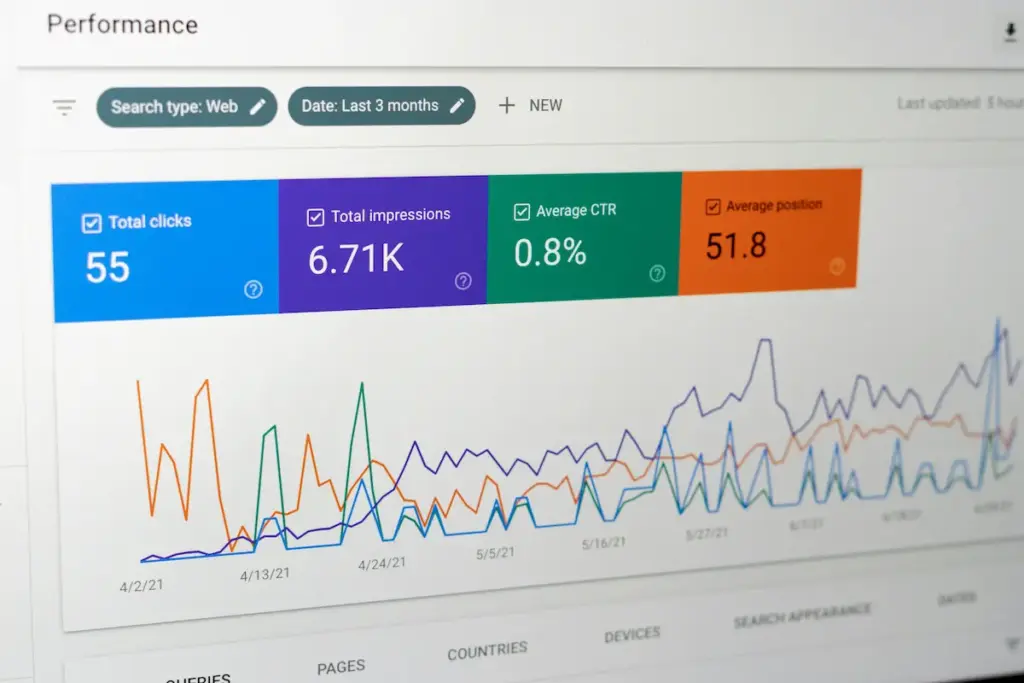
Performance Tracking and Optimization
Continuous monitoring is essential for improving campaign results. Google Ads provides detailed insights that help identify strengths and areas for improvement.
Important performance indicators include:
- Click-through rate (CTR)
- Cost per click (CPC)
- Conversion rate
- Quality Score
- Return on ad spend (ROAS)
Analyzing these metrics supports data-driven decisions and helps refine campaign strategy over time.
Common Factors That Limit Campaign Performance
Certain issues can reduce the effectiveness of Google Ads campaigns if not addressed properly.
Common challenges include:
- Broad keyword targeting without clear intent
- Lack of negative keyword implementation
- Weak connection between ads and landing pages
- Limited tracking of conversions
- Inconsistent campaign structure
Identifying and correcting these factors helps improve efficiency and maintain stable performance.
Continuous Improvement and Scaling
Google Ads campaigns require ongoing updates to maintain performance. Changes in user behavior, competition, and search trends make regular optimization necessary.
Testing different keyword variations, refining ad copy, and adjusting bidding strategies help maintain relevance. Audience segmentation and remarketing also support better targeting and engagement.
Integrating Google Ads with SEO and content strategies strengthens overall visibility and creates a more balanced digital marketing approach.
Conclusion
Google Ads provides a structured and measurable way to reach users based on search behavior and intent. When campaigns are built with strong keyword targeting, relevant messaging, and optimized landing pages, they can generate consistent traffic and conversions.
By focusing on Google Ads PPC optimization, businesses can consistently improve performance, reduce costs, and achieve better conversion results.